A Guide to U.S. Military Skill Badges
Military badges and qualification insignia recognize specialized training, combat experience, and professional qualifications earned by members of the United States Armed Forces. Unlike medals and ribbons, which are awarded for service, achievement, or heroism, badges identify specific skills, qualifications, and accomplishments.
From earning the coveted Combat Infantryman Badge to completing Airborne School and receiving Parachutist Wings, these insignia represent some of the military’s most respected achievements.
Whether displayed on a service uniform or preserved in a retirement shadow box, military badges tell an important part of a service member’s story.
What Are Military Badges?
Military badges are permanent insignia awarded to recognize specialized qualifications, combat participation, occupational skills, or completion of demanding military training.
Depending on the badge, recipients may be required to:
- Complete specialized schools
- Meet rigorous testing standards
- Participate in combat operations
- Demonstrate technical proficiency
- Maintain qualification standards
Many badges are among the most respected symbols worn on a military uniform.
Types of Military Qualification Insignia
Military qualification insignia generally recognize:
- Combat service
- Infantry proficiency
- Airborne qualification
- Aviation qualification
- Special occupational skills
- Professional military expertise
Each military branch maintains its own qualification badges, although some are recognized throughout the Armed Forces.
Combat Infantryman Badge (CIB)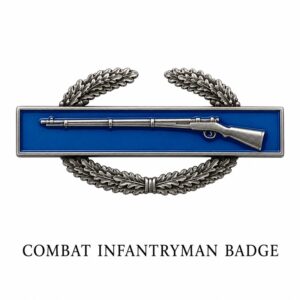
The Combat Infantryman Badge (CIB) is one of the United States Army’s most prestigious combat badges.
It recognizes infantry Soldiers who personally fought in active ground combat while assigned to an infantry unit engaged with enemy forces.
Because eligibility requirements are strict, the Combat Infantryman Badge is considered one of the Army’s highest symbols of combat service.
Learn more: Combat Infantryman Badge (CIB)
Combat Action Badge (CAB)
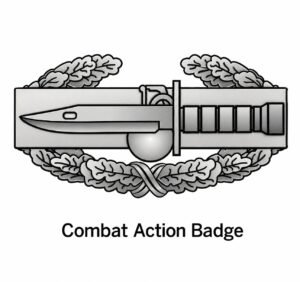
The Combat Action Badge recognizes Soldiers who personally engage or are engaged by the enemy while performing duties outside the traditional infantry role.
Unlike the Combat Infantryman Badge, the Combat Action Badge is available to Soldiers from nearly every military occupational specialty who meet the eligibility requirements.
It acknowledges the changing nature of modern warfare, where service members from many career fields may come under enemy attack.
Learn more: Combat Action Badge (CAB)
Combat Action Ribbon (CAR)
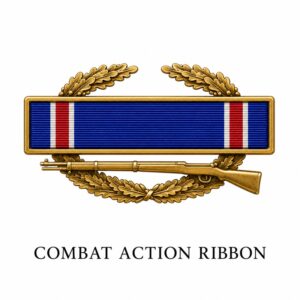
The Combat Action Ribbon is awarded to members of the Navy, Marine Corps, and Coast Guard who actively participate in ground or surface combat.
It recognizes direct combat participation regardless of military occupational specialty.
The Combat Action Ribbon is one of the most respected combat decorations within the naval services and demonstrates that the recipient personally experienced combat.
Learn more: Combat Action Ribbon (CAR)
Expert Infantryman Badge (EIB)
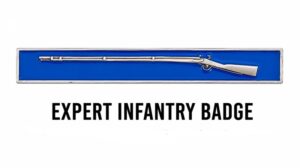
The Expert Infantryman Badge recognizes exceptional proficiency in infantry skills.
To earn the EIB, Soldiers must successfully complete a demanding series of physical and technical evaluations that test their mastery of infantry tasks.
Only highly skilled infantry personnel who meet strict performance standards receive this badge.
The Expert Infantryman Badge has long been considered one of the Army’s most difficult qualification badges to earn.
Learn more: Expert Infantryman Badge (EIB)
Parachutist Badges (Airborne Wings)
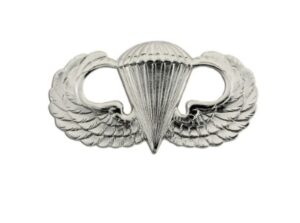
Parachutist Badges, commonly called Airborne Wings, recognize successful completion of military airborne training and parachute qualifications.
Several levels of qualification exist, including:
- Basic Parachutist Badge
- Senior Parachutist Badge
- Master Parachutist Badge
Higher-level badges require additional jumps, leadership experience, and years of airborne service.
These wings are among the most recognizable military qualification insignia.
Learn more: Parachutist Badges (Airborne Wings)
Aviation Wings
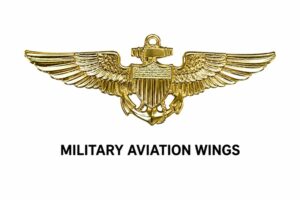
Aviation Wings identify military personnel qualified to serve in aviation-related occupations.
Different wings recognize:
- Military Pilots
- Naval Aviators
- Army Aviators
- Flight Officers
- Aircrew Members
- Flight Surgeons
- Other aviation specialties
Each military branch has unique aviation insignia reflecting the recipient’s qualifications and responsibilities.
Aviation Wings represent years of training and operational experience.
Learn more: Military Aviation Wings
Who Can Earn Military Badges?
Eligibility varies depending on the badge, but recipients generally must:
- Successfully complete required military training.
- Meet qualification standards.
- Demonstrate professional competence.
- Participate in qualifying combat operations when applicable.
- Receive official approval from their command.
Some badges require one-time qualification, while others require periodic requalification or continued service in specialized assignments.
Why Military Badges Matter
Military badges provide immediate recognition of a service member’s qualifications and experience.
For example:
- A Combat Infantryman Badge indicates verified ground combat service.
- Airborne Wings identify parachute-qualified personnel.
- Aviation Wings recognize specialized flight qualifications.
- Expert badges demonstrate exceptional professional proficiency.
These insignia often become defining symbols of a military career.
Preserving Military Qualification Insignia
Military badges are commonly displayed alongside medals and ribbons in:
- Retirement shadow boxes
- Military uniforms
- Veteran displays
- Museums
- Family collections
Understanding what each badge represents helps preserve the history and accomplishments of America’s service members.
Military Badges vs. Military Medals
Although often displayed together, badges and medals serve different purposes.
Military Medals recognize:
- Heroism
- Achievement
- Service
- Campaign participation
Military Badges recognize:
- Professional qualifications
- Specialized training
- Combat participation
- Occupational expertise
Together, they provide a complete picture of a service member’s military career.
Related Articles
Combat Infantryman Badge (CIB) – Learn who qualifies for the Combat Infantryman Badge and how it recognizes infantry soldiers who have engaged in active ground combat.
Combat Action Badge (CAB) – Discover the eligibility requirements for the Combat Action Badge, awarded to Soldiers who actively engage or are engaged by the enemy.
Combat Action Ribbon (CAR) – Explore the criteria for the Combat Action Ribbon, recognizing Navy, Marine Corps, and Coast Guard personnel who have participated in combat.
Expert Infantryman Badge (EIB) – Find out how Soldiers earn the Expert Infantryman Badge by demonstrating exceptional infantry skills through rigorous testing.
Parachutist Badges (Airborne Wings) – Learn about the different U.S. military parachutist badges, qualification levels, and the training required to earn Airborne Wings.
Military Aviation Wings – Discover the various aviation qualification badges awarded to military pilots, aircrew members, and aviation specialists.
Military Awards Order of Precedence – See how military badges, medals, and ribbons are officially ranked and worn on the uniform.
Military Ribbon & Device Identification Guide – Learn how to identify military ribbons, devices, and award attachments used across the U.S. Armed Forces.
Veteran & Family Resources – Access helpful information on replacing military awards, requesting service records, veteran benefits, and family support resources.