
Military ribbon devices are small metal attachments worn on military ribbons and suspension ribbons to provide additional information about a service member’s awards. Rather than issuing multiple identical medals, the U.S. military uses ribbon devices to indicate extra awards, participation in specific campaigns, valor, combat conditions, or years of service.
If you’ve ever wondered what the tiny bronze stars, oak leaf clusters, numerals, or “V” devices mean on a military ribbon, this guide explains the most common devices used by the U.S. Armed Forces and how to identify them.
What Are Military Ribbon Devices?
Ribbon devices are miniature metal insignia attached to service ribbons and medals. They communicate information that the ribbon alone cannot show, including:
- Additional awards of the same decoration
- Participation in military campaigns
- Acts of valor
- Combat service
- Remote service assignments
- Length of reserve service
- Number of qualifying awards
Each military branch follows Department of Defense regulations, although some branches have unique rules for certain devices.
Bronze Oak Leaf Cluster

The Bronze Oak Leaf Cluster represents one additional award of the same decoration in the Army, Air Force, Space Force, and Department of the Air Force.
For example:
- Bronze Star Medal with one Bronze Oak Leaf Cluster = awarded twice
- Air Medal with three Bronze Oak Leaf Clusters = awarded four times
One bronze oak leaf cluster equals one additional award.
Silver Oak Leaf Cluster
A Silver Oak Leaf Cluster replaces five bronze oak leaf clusters.
One Silver Oak Leaf Cluster equals five additional awards.
This helps keep ribbon racks neat and easier to read.
Bronze Service Star

The Bronze Service Star, sometimes called a campaign star, indicates participation in one designated military campaign or operation.
These are commonly found on:
- Vietnam Service Medal
- Southwest Asia Service Medal
- Iraq Campaign Medal
- Afghanistan Campaign Medal
Each bronze star represents one campaign.
Silver Service Star

A Silver Service Star replaces five bronze service stars.
One silver star equals participation in five designated campaigns.
Do not confuse this device with the Silver Star Medal, which is a completely separate valor award.
Arrowhead Device
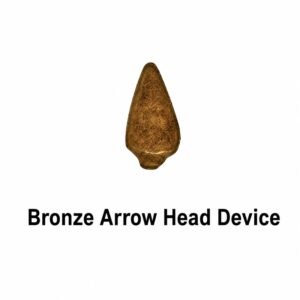
The Arrowhead Device recognizes participation in a combat parachute jump, helicopter assault landing, amphibious assault, or combat glider landing.
The Army is the primary branch authorized to wear the Arrowhead Device.
It may only be worn on designated campaign medals when the Soldier personally participated in the assault landing.
“V” Device
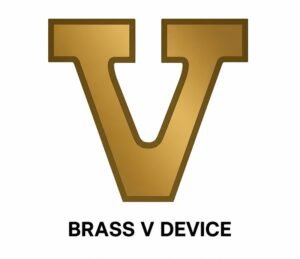
The “V” Device stands for Valor.
It identifies decorations awarded for heroism during direct combat with an enemy.
Depending on the award and branch of service, it may appear on medals such as:
- Bronze Star Medal
- Air Medal
- Commendation Medals
- Achievement Medals (when authorized)
The “V” Device distinguishes valor awards from those earned solely for meritorious service.
“C” Device

The “C” Device stands for Combat.
It identifies meritorious service performed under combat conditions.
Unlike the “V” Device, the “C” Device does not indicate heroism.
Instead, it recognizes exceptional performance while serving in combat.
“R” Device
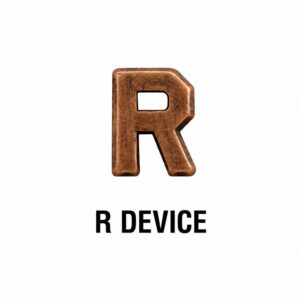
The “R” Device stands for Remote.
It recognizes direct hands-on impact from remote operations, including activities involving remotely piloted aircraft or cyber operations where personnel significantly influenced combat from a remote location.
The “R” Device is relatively new compared to many traditional military ribbon devices.
Military Award Numerals
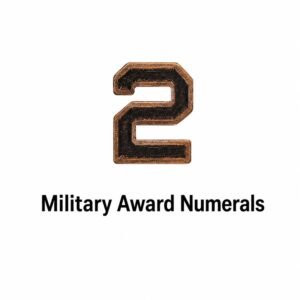
Some branches use Military Award Numerals instead of oak leaf clusters.
Numerals indicate the total number of awards received.
Examples include:
- Air Medal
- Overseas Service Ribbon
- Air Force Training Ribbon
- Army Overseas Service Ribbon (for certain awards)
A bronze numeral “2” indicates the second award.
Higher numerals continue in sequence to show additional awards without using multiple clusters.
Hourglass Device
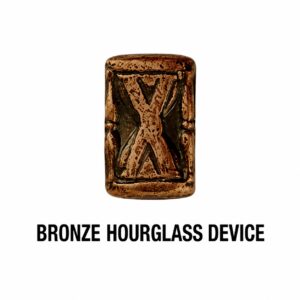
The Hourglass Device is awarded with the Armed Forces Reserve Medal.
It recognizes years of honorable Reserve service.
Hourglass colors represent:
- Bronze = 10 years
- Silver = 20 years
- Gold = 30 years
- Gold and Bronze together = 40 years
U.S. Marine Corps and Navy Military Combat Aircrew Wings With Stars

Marine Corps and Navy personnel awarded the Combat Aircrew Insignia may wear small stars to indicate additional qualifying combat missions or awards.
These stars differ from campaign stars and should not be confused with service stars worn on campaign medals.
How to Identify Ribbon Devices
When identifying a military ribbon device, consider:
Shape
- Oak leaf
- Star
- Arrowhead
- Numeral
- Letter device
- Hourglass
Color
Most devices are available in bronze and silver.
The color often changes the numerical value represented.
Placement
Devices are centered on the ribbon according to military uniform regulations.
Multiple devices follow specific spacing and order-of-precedence rules.
Common Identification Mistakes
Collectors often confuse several devices.
The most common mistakes include:
- Confusing a Silver Service Star with the Silver Star Medal
- Mixing up service stars and oak leaf clusters
- Assuming every “V” Device means the same thing across all branches
- Misidentifying numerals as unit insignia
- Confusing campaign stars with award stars
Careful examination and reference to military regulations can prevent these errors.
Why Ribbon Devices Matter
Ribbon devices tell the complete story behind a service member’s military career.
A ribbon without devices may represent a single award, while the same ribbon with clusters, stars, or numerals could represent years of additional service, multiple combat campaigns, repeated acts of achievement, or heroism under fire.
For collectors, historians, veterans, and family members, understanding these devices provides a far more accurate interpretation of a military ribbon rack.
Frequently Asked Questions
What is a military ribbon device?
A military ribbon device is a small metal attachment worn on military ribbons and medals to indicate additional awards, campaign participation, valor, combat service, or other qualifying achievements.
What does a bronze star on a ribbon mean?
A bronze service star usually indicates participation in one designated military campaign. It is different from the Silver Star Medal, which is a separate decoration for valor.
What does an oak leaf cluster mean?
An oak leaf cluster represents additional awards of the same medal. One bronze cluster equals one additional award, while one silver cluster equals five bronze clusters.
What does the “V” Device mean?
The “V” Device signifies valor or heroism in combat and distinguishes qualifying awards earned through acts of bravery.
Why do some ribbons have numbers instead of oak leaf clusters?
Some military branches use numerals to show the total number of awards received rather than using oak leaf clusters.