
The V Device, often called the Valor Device, is a small bronze letter “V” worn on certain U.S. military medals and ribbons to signify that the award was earned for acts of heroism or valor during combat. It distinguishes awards received for courageous actions under enemy fire from those earned solely for meritorious service or achievement.
Although the medal itself may be the same, the addition of a V Device tells an important story. It indicates the recipient displayed bravery in direct support of combat operations, making it one of the most recognized military award devices in the U.S. Armed Forces.
What Is the V Device?
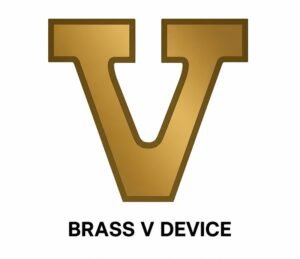
The V Device is a bronze block letter “V” attached to the suspension ribbon of a medal and the corresponding service ribbon.
The letter “V” stands for Valor.
Its purpose is to identify awards presented specifically for heroic actions involving conflict with an enemy or acts of bravery under combat conditions.
Without the device, the same medal may have been awarded for outstanding service, leadership, or achievement rather than heroism.
What Does the V Device Represent?
The V Device signifies that the recipient demonstrated courage while facing hostile forces or performed a heroic act under combat conditions.
It recognizes actions such as:
- Rescuing wounded service members under enemy fire
- Leading troops during combat despite extreme danger
- Continuing a mission after being wounded
- Protecting fellow service members during an attack
- Displaying extraordinary courage while engaged with enemy forces
The V Device does not create a separate medal. Instead, it identifies the reason the medal was awarded.
Which Military Awards Authorize the V Device?
The V Device may be authorized for certain personal decorations, depending on Department of Defense regulations and the policies of the individual military branches.
Examples include:
- Bronze Star Medal
- Army Commendation Medal
- Navy and Marine Corps Commendation Medal
- Air Medal (when authorized)
- Air and Space Commendation Medal
- Joint Service Commendation Medal
- Coast Guard Commendation Medal
Not every military medal may display a V Device.
Is the V Device the Same as a Valor Medal?
No.
The V Device is not a separate military decoration.
For example:
- A Bronze Star Medal may be awarded for meritorious service.
- A Bronze Star Medal with V Device recognizes heroism in combat.
The medal remains the same, but the V Device identifies the award as one earned for valor.
Who Can Receive a V Device?
Eligible recipients include members of:
- United States Army
- United States Navy
- United States Marine Corps
- United States Air Force
- United States Space Force
- United States Coast Guard
The service member must meet the specific criteria established for the medal and demonstrate qualifying acts of heroism during combat or under hostile conditions.
How Is the V Device Awarded?
A recommendation for a V Device follows the same formal military awards process used for personal decorations.
The recommendation typically includes:
- Eyewitness statements
- Operational reports
- Command endorsements
- Supporting documentation
- Detailed description of the heroic actions
Senior commanders review the evidence before approving the award.
How Is the V Device Worn?
The V Device is centered on the ribbon of the medal and on the corresponding service ribbon.
If additional devices are authorized, military uniform regulations specify their proper placement.
The exact arrangement varies depending on the military branch and the type of award.
Can a Service Member Receive More Than One V Device?
Current regulations generally authorize only one V Device on an individual award.
If the same medal is earned multiple times, additional awards are typically indicated using Oak Leaf Clusters or Award Stars, depending on the military branch.
The V Device continues to identify that the award was earned for valor.
Common Misunderstandings
Many people mistakenly believe the V Device represents:
- Veteran status
- Victory
- Volunteer service
- Overseas deployment
- Rank
In reality, the “V” specifically stands for Valor and identifies awards earned for heroism during combat or qualifying hostile actions.
Difference Between the V Device and Other Award Devices
The V Device serves a different purpose than other ribbon devices.
- Oak Leaf Clusters indicate additional awards.
- Award Stars show additional awards or campaign participation.
- Arrowhead Device recognizes participation in combat parachute, amphibious, or helicopter assault landings.
- Numerals indicate repeated qualifying service for certain awards.
The V Device is unique because it identifies the award as one earned for valor.
Why the V Device Matters
The V Device provides immediate visual recognition that a military decoration was awarded for heroism rather than routine service or achievement.
For military historians, collectors, veterans, and families, it offers important insight into the circumstances surrounding a service member’s accomplishments and highlights exceptional courage displayed under dangerous conditions.
Frequently Asked Questions
What does the “V” stand for?
The “V” stands for Valor, indicating heroism during combat or qualifying hostile action.
Is the V Device a separate medal?
No. It is a ribbon device added to certain medals to show they were awarded for valor.
Can every military medal have a V Device?
No. Only specific military decorations authorize the V Device under Department of Defense and service regulations.
Does the V Device mean the recipient was in combat?
Generally, yes. The device recognizes qualifying acts of heroism performed under combat or hostile conditions.
Conclusion
The V Device is one of the most respected devices worn on U.S. military medals, signifying that an award was earned through courage and heroism in combat rather than for service alone. While small in size, the bronze “V” carries significant meaning, distinguishing recipients whose actions demonstrated exceptional bravery under dangerous conditions. Understanding the V Device helps veterans, families, collectors, and military enthusiasts accurately interpret military ribbons and appreciate the extraordinary service they represent.