
The Defense Distinguished Service Medal (DDSM) is the highest non-combat service decoration awarded by the United States Department of Defense. It recognizes exceptionally distinguished performance of duty in positions of great responsibility while serving in joint assignments. Because it is reserved for senior military leaders and officials whose service has a lasting impact on national defense, it is considered one of the nation’s most prestigious military decorations.
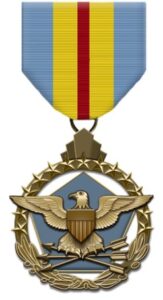
Unlike branch-specific distinguished service medals, the Defense Distinguished Service Medal honors service performed in joint organizations that include personnel from multiple branches of the U.S. Armed Forces. Recipients typically include senior generals, admirals, combatant commanders, and other high-ranking leaders whose decisions shape military operations and national security.
History of the Defense Distinguished Service Medal
The Defense Distinguished Service Medal was established in 1970 by the Department of Defense. Before its creation, there was no single decoration specifically recognizing exceptionally distinguished service performed in joint military assignments.
As joint commands became increasingly important to U.S. military operations, a separate award was needed to honor leaders whose responsibilities extended beyond a single military branch. The medal filled that role and has since become one of the most respected decorations awarded for non-combat service.
Who Can Receive the Defense Distinguished Service Medal?
The Defense Distinguished Service Medal is awarded to members of the United States Armed Forces who perform exceptionally distinguished service while assigned to:
- Joint Staff
- Unified Combatant Commands
- Office of the Secretary of Defense
- Defense agencies
- Other joint organizations under the Department of Defense
Most recipients are senior officers serving at the general or flag officer level, although exceptional service—not rank—is the determining factor.
Eligibility Requirements
To qualify for the Defense Distinguished Service Medal, service members must demonstrate:
- Exceptionally distinguished performance of duty
- Leadership in positions of significant responsibility
- Outstanding contributions to national defense
- Service that greatly benefits joint military operations
- Sustained excellence over an extended period
The award recognizes extraordinary leadership rather than a single achievement.
What Does the Medal Look Like?
The Defense Distinguished Service Medal features a gold-colored medal displaying the American eagle and symbols representing military strength and national service. The design reflects honor, leadership, and commitment to defending the United States.
Its ribbon consists primarily of gold with blue, white, and red stripes representing the nation’s colors and the unity of the Armed Forces.
How Is the Medal Awarded?
Recommendations normally begin within the recipient’s chain of command. Supporting documentation outlines the individual’s accomplishments, leadership, and impact on joint military operations.
The nomination undergoes several levels of review before final approval by Department of Defense authorities.
Because of its prestige, each recommendation receives careful evaluation to ensure the service meets the exceptionally distinguished standard required for the award.
Order of Precedence
The Defense Distinguished Service Medal ranks among the highest military decorations awarded for non-combat service. Within the Department of Defense awards system, it holds precedence over most other service medals recognizing outstanding leadership and achievement.
Recipients may also wear authorized oak leaf clusters or service stars to indicate additional awards when applicable.
Notable Recipients
Throughout its history, many of America’s most respected military leaders have received the Defense Distinguished Service Medal. Recipients have included chairmen of the Joint Chiefs of Staff, combatant commanders, senior defense officials, and other leaders responsible for major military operations around the world.
Their service often influences military readiness, international partnerships, strategic planning, and national security policy.
Why the Defense Distinguished Service Medal Matters
The Defense Distinguished Service Medal recognizes leadership that shapes the direction of the United States military. While many military decorations honor heroism in combat, this medal acknowledges exceptional service performed behind the scenes through planning, coordination, and command of complex joint operations.
Its recipients help strengthen America’s defense capabilities and improve cooperation among the Army, Navy, Marine Corps, Air Force, Space Force, and Coast Guard when operating under the Department of Defense.
The medal also highlights the growing importance of joint military operations in modern warfare. Success often depends on leaders who can coordinate multiple branches, international allies, and government agencies toward a common mission.
Legacy
The Defense Distinguished Service Medal remains one of the highest honors awarded by the Department of Defense. It symbolizes exceptional leadership, dedication, and lasting contributions to the security of the United States.
Although relatively few service members receive this prestigious decoration, those who do have demonstrated extraordinary commitment to serving the nation at the highest levels of military leadership. Their achievements continue to influence the effectiveness and readiness of America’s Armed Forces for generations to come.
Explore More Military Awards
If you’d like to learn more about military medals, decorations, ribbons, badges, unit awards, and award eligibility, visit our Military Awards and Decorations: The Complete Guide, which serves as the central resource for all military awards topics.